Call Us Directly
+91 9869309719
Skin IndulgenceDr. Kaleem Khan (MD)
Looking for the best pigmentation treatment in Andheri, Mumbai? Just consult Dr. Kaleem Khan at Skin Indulgence Clinic, where advanced dermatology meets a more personalized skin care approach for safer and effective pigmentation correction.
Skin pigmentation issues like dark spots, melasma, an uneven skin tone, plus those post-acne marks are really common skin concerns, and they can impact your overall look and confidence, sometimes more than you’d expect. These problems usually happen because the skin starts making excess melanin, and that can be pushed by sun exposure, hormonal changes, genetics, or even ongoing inflammation.
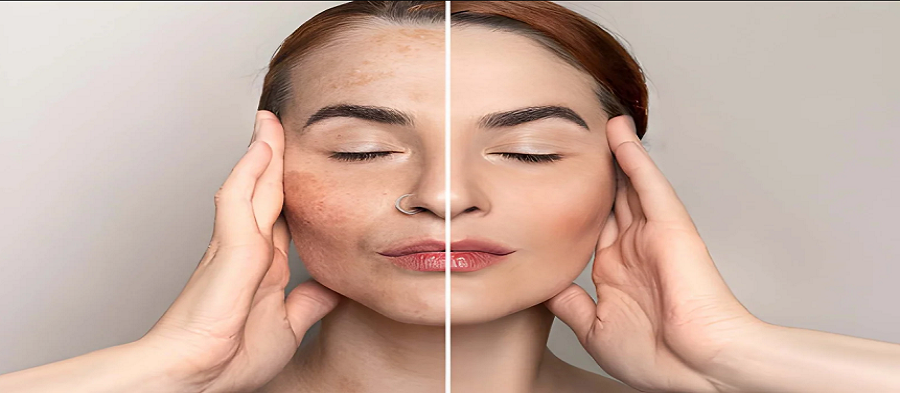
Pigmentation can appear in different forms, including dark spots, melasma, post-inflammatory pigmentation, and uneven skin tone. The appropriate treatment depends on the type and underlying cause of the pigmentation. At Skin Indulgence Clinic in Andheri, Mumbai, Dr. Kaleem Khan evaluates the skin condition and recommends a suitable treatment approach based on individual needs.
Hyperpigmentation: Dr. Kaleem Khan, Consultant Dermatologist at Skin Indulgence Clinic, Andheri Mumbai, is here for the Best Pigmentation Treatment in Andheri, Mumbai. Pigmentation shows up when melanin making in the skin goes up, it’s also called hypermelanosis, and this can create dark patches, uneven skin tone, freckles, melasma, or even post-acne marks. Usually, this happens because melanocytes start working too strongly or multiply, so excess melanin gets laid down in select areas of the skin. On the other hand, when melanin production gets lower, you may see hypopigmentation, where the skin looks lighter compared to the nearby areas. And if melanin basically disappears completely, then depigmented white patches can form. These pigmentation issues can come up because of sun exposure, shifts in hormones, acne inflammation, growing older, certain medicines, or skin injuries. Dr. Kaleem Khan offers advanced, evidence-led options like chemical peels, laser therapy, and medical skin care routines, so you can move back toward a more balanced tone and a healthier looking complexion.
Hypopigmentation- Hypopigmentation disorders include Vitiligo, Albinism and Pityriasis alba. A lot of the reasons behind hypopigmentation come from inflammatory skin conditions like eczema or psoriasis. There are also older skin injuries, for example from ulcers, burns, blisters, chemical exposure, or an infection that happened before. Sometimes it’s related to rare genetic conditions, such as albinism which occurs due to a lack of a melanin-producing enzyme. One very common cause of depigmentation is vitiligo- and this is an autoimmune condition.
The pigmentation treatment in Andheri, Mumbai at Skin Indulgence Clinic is not one-size-fits-all, because it depends on why the pigmentation happened in the first place. Some forms of pigmentation may slowly ease down with self-care, home routines, and over-the-counter options, while other types may need ongoing care led by dermatologists.
Hyperpigmentation is a common skin concern in which certain areas of the skin become darker than the surrounding skin. It can appear as small spots or larger patches and may occur on the face, neck, hands, arms, or other areas of the body. Common causes include sun exposure, hormonal changes, inflammation, acne, certain medications, and other skin conditions.
If you have concerns about pigmentation, you can consult Dr. Kaleem Khan at Skin Indulgence Clinic in Andheri, Mumbai. A dermatologist can assess the type and underlying cause of pigmentation and recommend an appropriate treatment approach.
Hyperpigmentation is when skin patches become darker than the surrounding skin. The signs and symptoms include:
Consult dermatologist Dr. Kaleem Khan at Skin Indulgence Clinic for an accurate diagnosis and appropriate pigmentation treatment in Andheri, Mumbai.
Skin pigmentation may be managed with different dermatological approaches, depending on the type, cause, skin type, and severity of the condition. Treatment options may include topical skincare, chemical peels, laser procedures, IPL, and other treatments such as MNRF. Dr. Kaleem Khan evaluates the skin condition before recommending a suitable treatment approach.
Carbon Laser Peel: Carbon Laser Peel is a dermatological procedure that may be considered for concerns such as pigmentation, acne marks, and uneven skin texture. The procedure involves applying a carbon-based lotion to the skin followed by laser treatment. Depending on the individual's skin condition, it may help improve skin texture and the appearance of pigmentation. At Skin Indulgence Clinic, Andheri, Mumbai, Dr. Kaleem Khan provides Carbon Laser Peel as one of the treatment options that may be considered for pigmentation concerns.
MNRF (Microneedling Radiofrequency): MNRF combines microneedling with radiofrequency energy. Fine needles create controlled micro-injuries in the skin while radiofrequency energy is delivered into the deeper layers. It may be considered for concerns such as acne scars, pigmentation, enlarged pores, and uneven skin texture. At Skin Indulgence Clinic, Andheri, Mumbai, Dr. Kaleem Khan may recommend MNRF depending on the individual's skin condition and treatment requirements.
Photofacial (Intense Pulsed Light): IPL Photofacial uses controlled pulses of light and may be considered for certain types of pigmentation, sun spots, and other skin concerns. The suitability of IPL depends on factors such as skin type, pigmentation pattern, and the underlying cause. At Skin Indulgence Clinic, Andheri, Mumbai, Dr. Kaleem Khan provides IPL Photofacial as a treatment option for managing pigmentation and uneven skin tone.
Laser Resurfacing: Laser resurfacing is a treatment option that may be considered for certain types of pigmentation and skin texture concerns. Different laser technologies work at different depths of the skin, and the appropriate procedure depends on the individual's condition and treatment goals. At Skin Indulgence Clinic, Andheri, Mumbai, Dr. Kaleem Khan provides laser resurfacing as part of a personalized dermatological treatment plan.
Sun protection is an important part of managing and preventing hyperpigmentation. Using a broad-spectrum sunscreen with SPF 30 or higher, wearing protective clothing, and limiting prolonged sun exposure can help reduce UV-related pigmentation. It is also advisable to avoid picking acne or scratching irritated skin, as inflammation or injury can sometimes lead to post-inflammatory pigmentation.
Some topical ingredients may be used as part of a pigmentation management plan. Ingredients such as kojic acid and other pigment-targeting agents may be recommended depending on the type of pigmentation and the individual's skin condition. A dermatologist can advise on suitable products, their frequency of use, and whether additional treatment is required.
Skin pigmentation can be managed with different dermatological treatment options, including topical skincare, chemical peels, IPL, laser procedures, and MNRF. The appropriate approach depends on the type and cause of pigmentation, skin type, and individual treatment needs. At Skin Indulgence Clinic, Andheri, Mumbai, Dr. Kaleem Khan evaluates pigmentation concerns such as dark spots, melasma, and uneven skin tone and recommends a suitable treatment plan. To discuss your pigmentation concerns, call 09869309719 to book a consultation.
Skin pigmentation can be associated with factors such as sun exposure, hormonal changes, acne or skin inflammation, certain medications, aging, and other skin conditions. A dermatologist can evaluate the underlying cause before recommending treatment.
Treatment depends on the type and cause of pigmentation. Depending on the individual's skin condition, a dermatologist may consider topical skincare, chemical peels, laser procedures, IPL, or other dermatological treatments such as MNRF.
Laser treatment may be considered for certain types of pigmentation after a dermatologist evaluates the skin type, pigmentation pattern, and underlying cause. Suitability and expected results can vary from person to person.
The duration of pigmentation treatment varies depending on the type, severity, skin type, and treatment selected. Some conditions may require multiple sessions or ongoing skincare and follow-up.
Yes, some types of pigmentation can recur, particularly when the underlying cause continues. Sun protection, appropriate skincare, and follow-up care recommended by a dermatologist may help manage the condition and reduce recurrence.
For pigmentation concerns in Andheri, Mumbai, you can consult Dr. Kaleem Khan at Skin Indulgence Clinic for evaluation of dark spots, melasma, uneven skin tone, and other pigmentation concerns.
You can book a consultation with Dr. Kaleem Khan at Skin Indulgence Clinic by calling 09869309719.
The long-term outcome depends on the type and underlying cause of pigmentation. Some pigmentation concerns can be effectively managed, while others may recur and require ongoing skincare, sun protection, or follow-up treatment.
Pigmentation treatment needs to be selected according to the individual's skin type, pigmentation pattern, underlying cause, and treatment history. A dermatologist can assess the skin and determine which treatment options may be appropriate.
Hyperpigmentation is a broad term for areas of skin that become darker than the surrounding skin. Melasma is a specific pigmentation condition that commonly causes darker patches on the face and may be associated with hormonal changes, sun exposure, and other factors.
Skin IndulgenceDr. Kaleem Khan (MD)
© 2026 Skin Indulgence Clinic | All Rights Reserved.


Constx is a Construction & Renovation company website You can customize all.


